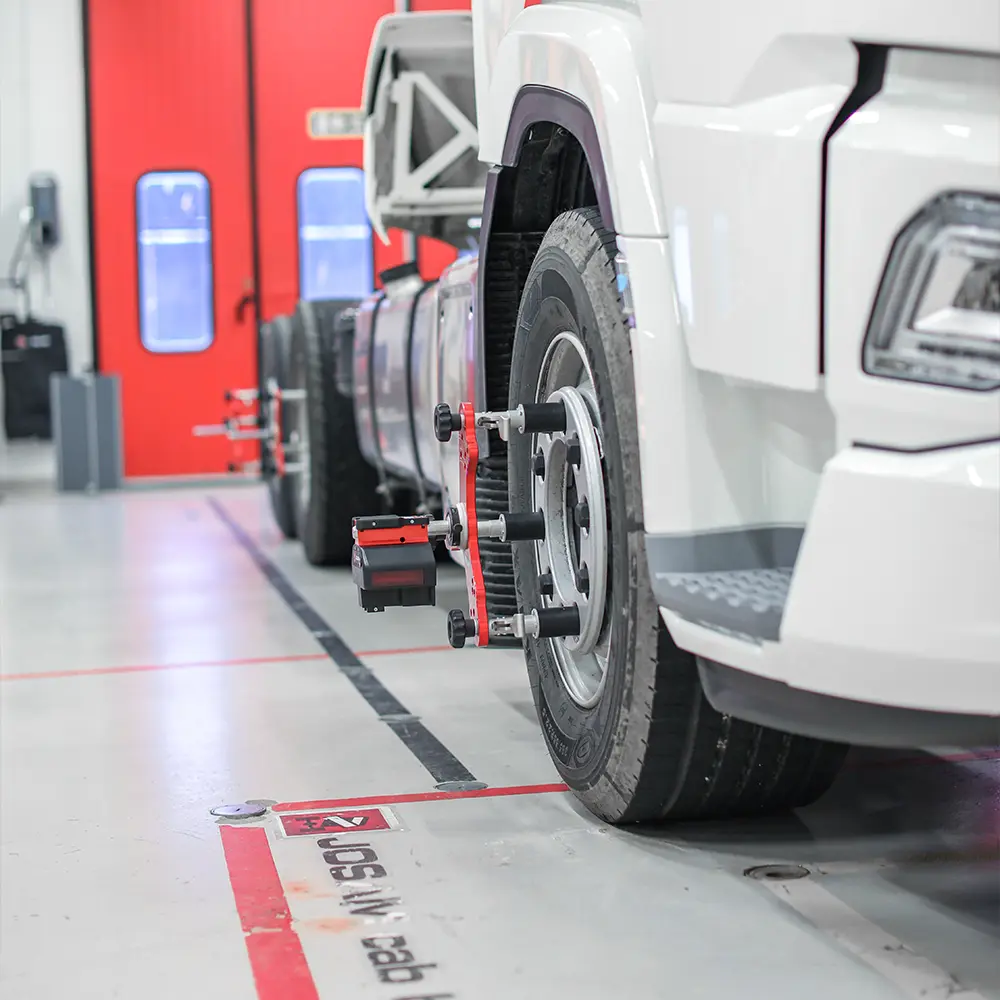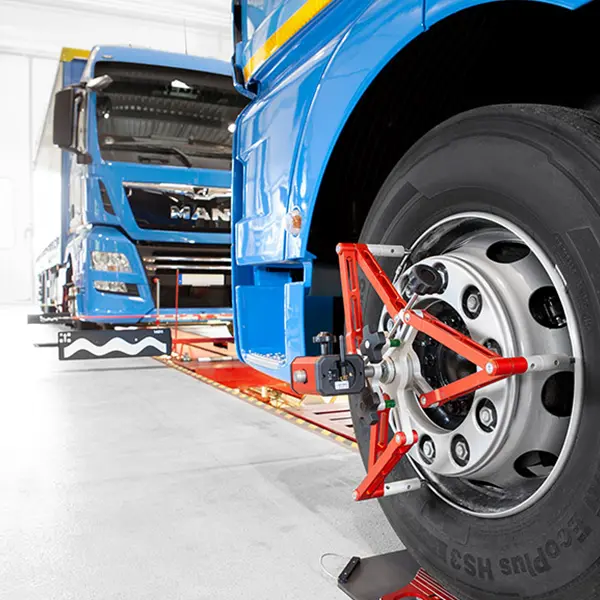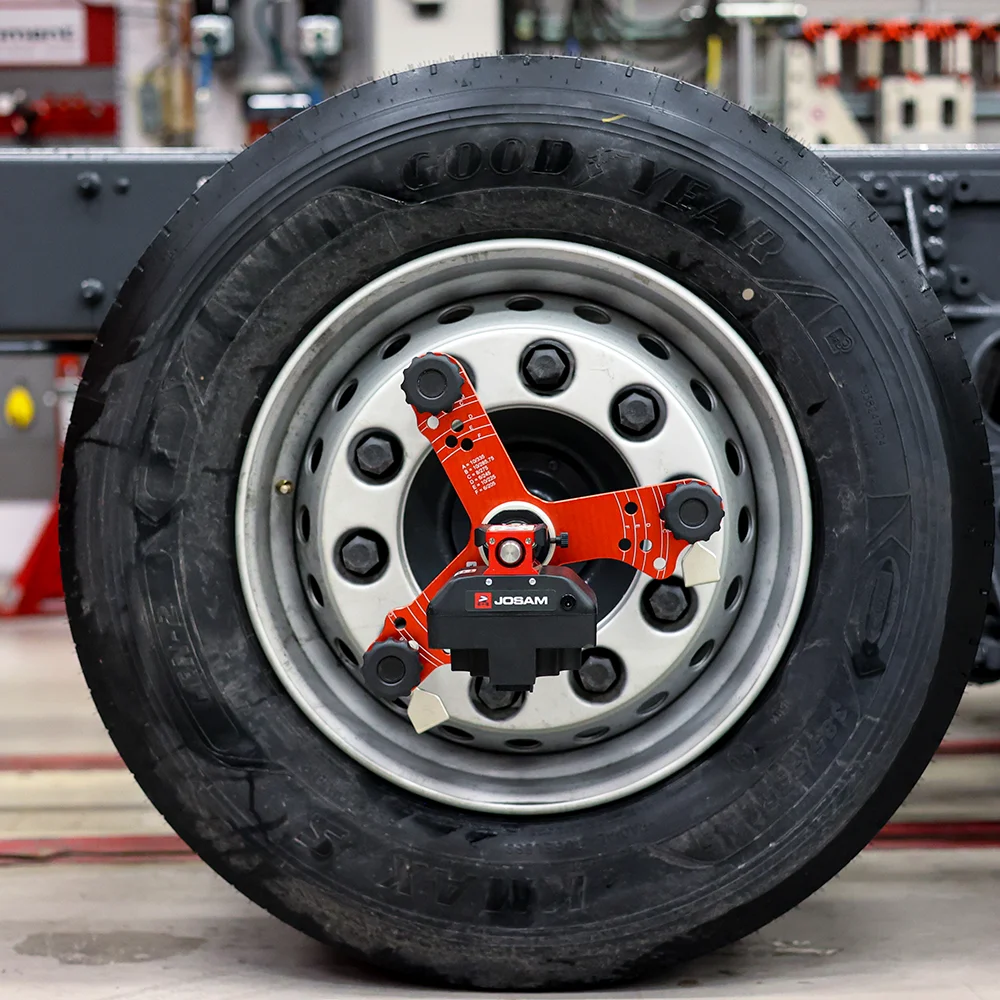

AES are specialists in commercial wheel alignment, find out more about our solutions here: commercial wheel alignment equipment.
AES are specialists in heat inductors, find out more about our solutions here: induction heating solutions.
From product innovations to expert industry guides, our HUB keeps you informed on the latest trends. Stay ahead with in-depth articles, technical guides, and company updates - all in one place.

Maintaining proper wheel alignment is crucial for all vehicles, but it becomes even more vital when it comes to commercial vehicles. Commercial vehicles, such as trucks, trailers, buses, and vans, often carry heavy loads and travel long distances, putting additional stress on their components.
Neglecting wheel alignment in commercial vehicles can lead to safety issues, increased fuel consumption, and accelerated wear on tires and suspension systems. In this article, we will explore the importance of wheel alignment for commercial vehicles and provide essential information on how to ensure their alignment remains optimal.
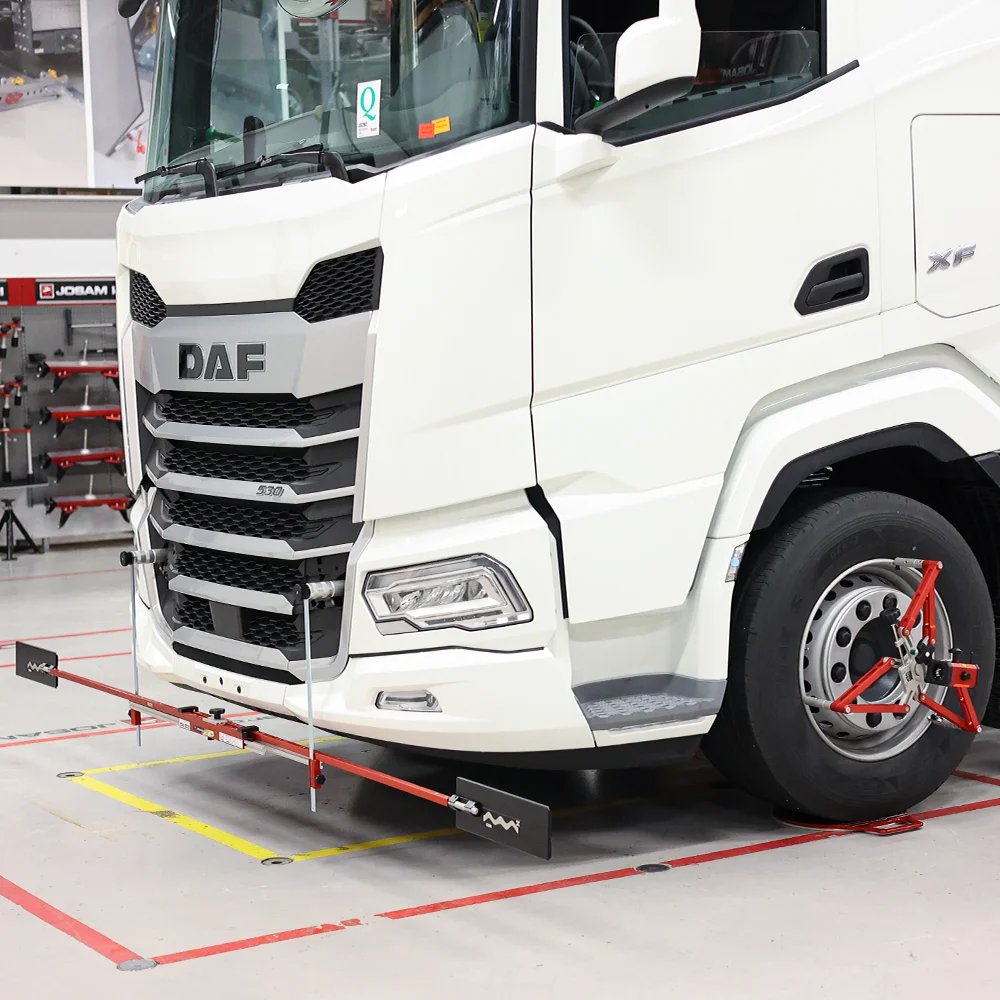
Benefits of commercial wheel alignment
Safety:
Proper wheel alignment directly impacts the vehicle’s handling and stability. Misaligned wheels can lead to erratic steering behaviour, making it difficult for the driver to maintain control, especially during emergency situations. This poses a significant safety risk to both the driver and other road users.
Tyre Wear:
Misaligned wheels cause uneven tyre wear. This means that certain areas of the tyre will wear out faster than others, resulting in the need for premature tire replacements. Given the size and cost of commercial vehicle tyres, regular replacements can significantly impact operational expenses.
Fuel Efficiency:
When wheels are misaligned, the tires don’t roll as smoothly as they should. This increased rolling resistance requires more energy to move the vehicle forward, leading to reduced fuel efficiency. For commercial fleets, where fuel costs form a significant portion of operating expenses, maintaining proper wheel alignment can result in substantial fuel savings.
Component Lifespan:
Wheel misalignment also affects other vehicle components, such as suspension parts and steering systems. When these parts are subjected to excessive stress due to misalignment, they wear out faster, leading to expensive repairs and downtime for the commercial vehicles.

How to Identify Wheel Alignment Issues on a Commercial Vehicle:
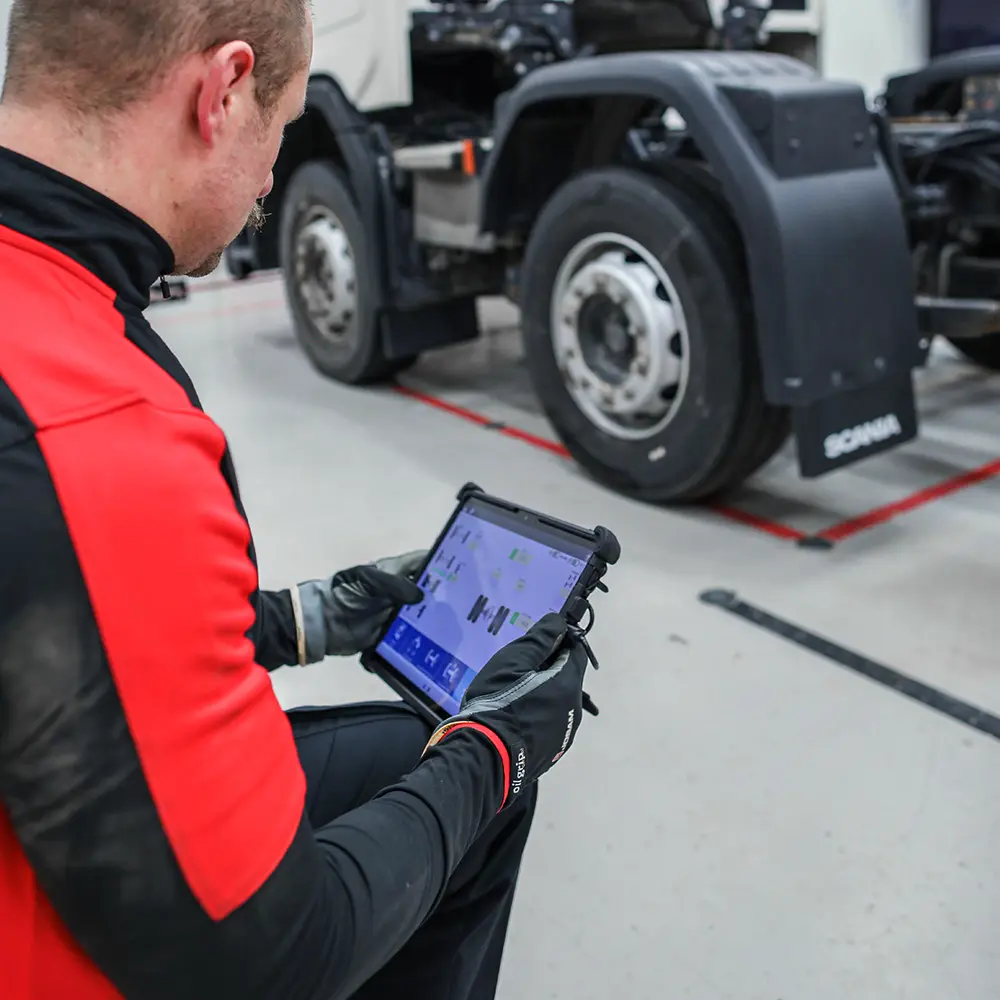
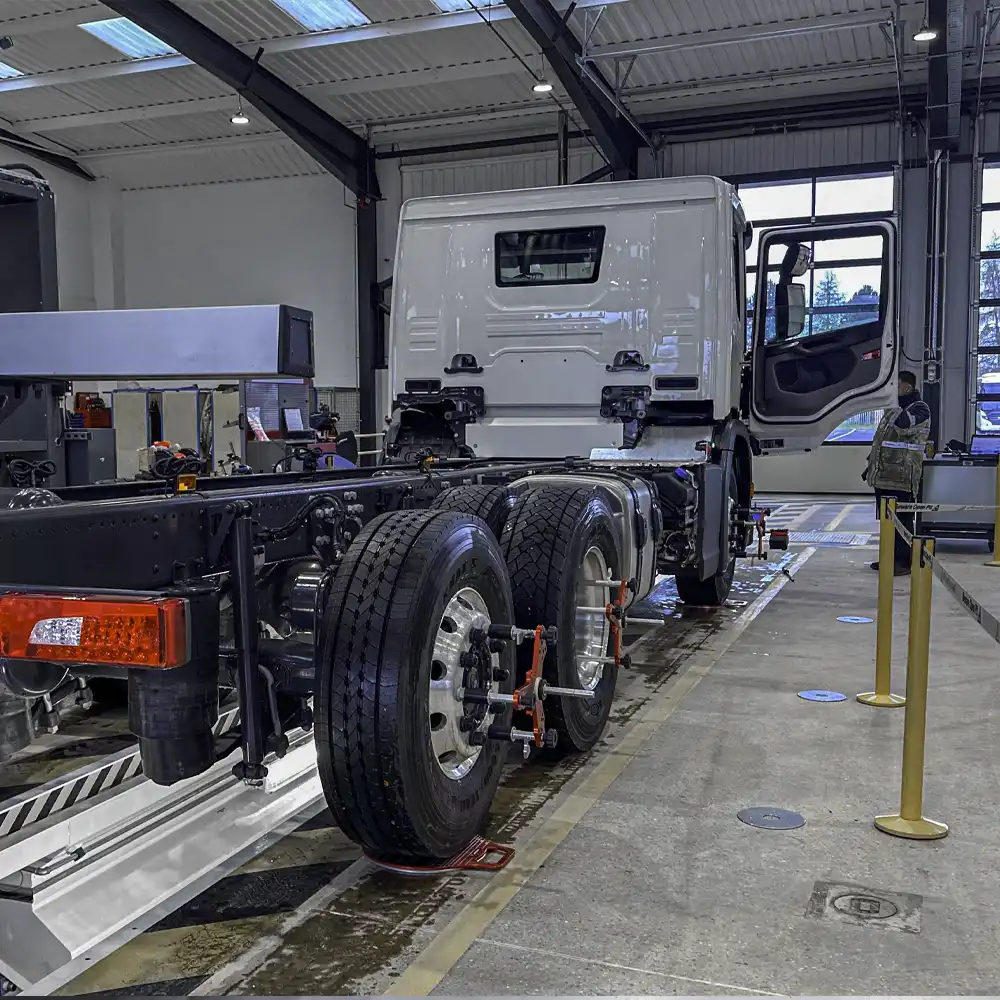
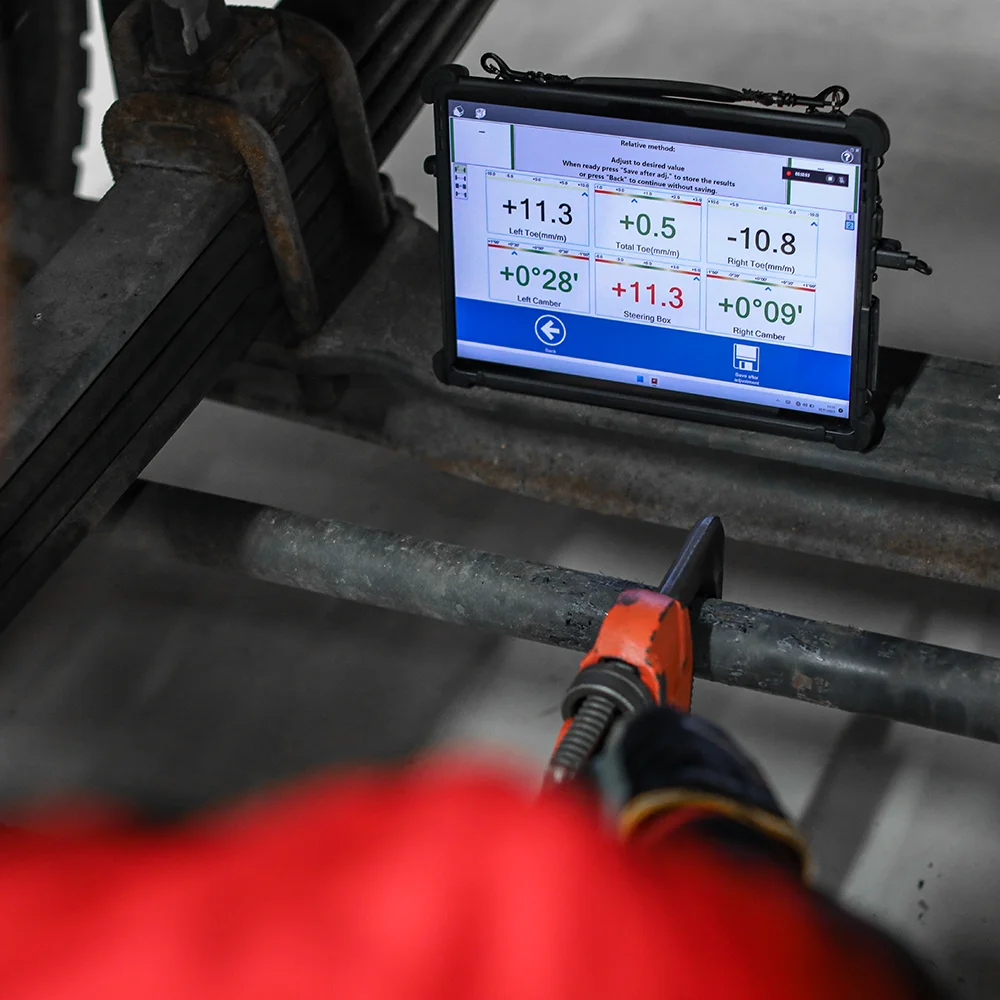
Detecting wheel alignment issues in commercial vehicles can be done through visual inspection, driving observation and diagnosing with a commercial wheel aligner.
1. Visual Inspection:
Look for uneven tire wear patterns. Inspect the tread on all tires to see if one side is more worn than the other or if there are signs of feathering or cupping. Also, check for any bent or damaged wheels or suspension components.
2. Driving Observation:
While driving, pay attention to how the vehicle handles. If the steering feels off-center, the vehicle pulls to one side, or there is noticeable vibration, it may indicate wheel alignment problems.
Commercial Wheel Alignment Maintenance:
To ensure commercial vehicles stay in optimal condition, regular wheel alignment checks and maintenance are necessary. Here’s what fleet managers and drivers should keep in mind:
Scheduled Inspections:
Commercial vehicles should undergo wheel alignment inspections at regular intervals or whenever there are signs of alignment issues.
Qualified Alignment Technicians:
Wheel alignment for commercial vehicles requires specialized equipment and experienced technicians. Ensure the service is performed by trained professionals who have experience working with large commercial vehicles.
Alignment after Maintenance:
Whenever suspension or steering components are repaired or replaced, it is essential to perform a wheel alignment. This ensures that the new components work together optimally and that the vehicle’s alignment is restored.
Load Adjustments:
Commercial vehicles often carry variable loads. Ensure that the wheel alignment is adjusted according to the load to maintain optimal performance.
Driver Awareness:
Encourage drivers to report any abnormal handling or steering behavior promptly. Prompt action can prevent further damage and safety risks.
Wheel alignment is a critical aspect of maintaining commercial vehicles:
In conclusion, wheel alignment is a critical aspect of maintaining commercial vehicles. Proper alignment ensures safety, improves fuel efficiency, extends tire and component life, and reduces operational costs. Regular inspections and maintenance, along with driver awareness, play a vital role in keeping commercial vehicles running smoothly and safely on the roads.
View our full range of commercial wheel alignment equipment.